
Myofascial Release in Dublin 2
Manual and instrument-assisted techniques to ease muscular and fascial tension, improve tissue mobility and reduce discomfort.
What is myofascial release?
Fascia is the connective tissue that surrounds and links your muscles. When an area feels tight, restricted or tender, myofascial release uses sustained pressure and slow stretching — with the hands or with tools — to help those tissues move more freely.
Our physiotherapist uses it as one part of your treatment, together with movement and exercise, so that any improvement in how the area feels carries over into how you move day to day.
Who it can help
Myofascial release is often part of the plan for people with:
- Tight, tender areas in the neck, shoulders and back — see neck pain and back pain
- Tightness in the legs, hips or feet from running, walking or standing all day
- Stiffness after training — see sports injury physio
- General muscle pain and tension
What to expect
After an assessment, your physiotherapist explains which areas she wants to work on and asks for your consent. You’ll feel slow, sustained pressure; it can be intense at times but should stay tolerable, and you can ask her to adjust it.
Instrument-assisted work (for example with a massage tool) may be used on some areas. It is often combined with manual therapy, cupping or dry needling, and you’ll usually leave with stretches or exercises to continue at home. Sessions are in English or Portuguese.
What it costs
Myofascial release is part of our standard physiotherapy sessions.
| Session | Duration | Price |
|---|---|---|
| Initial physiotherapy assessment & treatment | 45–60 min | €80 |
| Physiotherapy follow-up | 30–45 min | €70 |
| Extended physiotherapy follow-up | — | €80 |
Common questions
Is it painful?
It can feel intense in tight areas but shouldn’t be more than you can manage. Your physiotherapist checks in with you and adjusts the pressure.
How is it different from a sports massage?
It is used within a physiotherapy plan, guided by an assessment of how you move, and combined with exercise and advice.
Might I feel sore afterwards?
Some people feel a little tender for a day or two, similar to after exercise. It normally settles quickly.
Do I need a referral?
No. You can book directly with us.
How to get here
28 Baggot Street Lower, Dublin 2, D02 NX43
We are on Baggot Street Lower in Dublin 2, a short walk from St Stephen’s Green and Merrion Square. Look for the Vitalis sign when you arrive.
The Luas Green Line stop at St Stephen’s Green is about a 10-minute walk away, and Pearse DART station about 15 minutes. If you drive, there is pay-and-display parking on the surrounding streets, though spaces can be limited.
Related treatments
Manual Therapy
Hands-on techniques to improve soft-tissue mobility, reduce muscular tension and support pain management and movement quality.
See treatment & book
Cupping Therapy
Cupping techniques used as an adjunct to physiotherapy treatment to support soft-tissue relaxation, mobility and management of muscular tension.
See treatment & book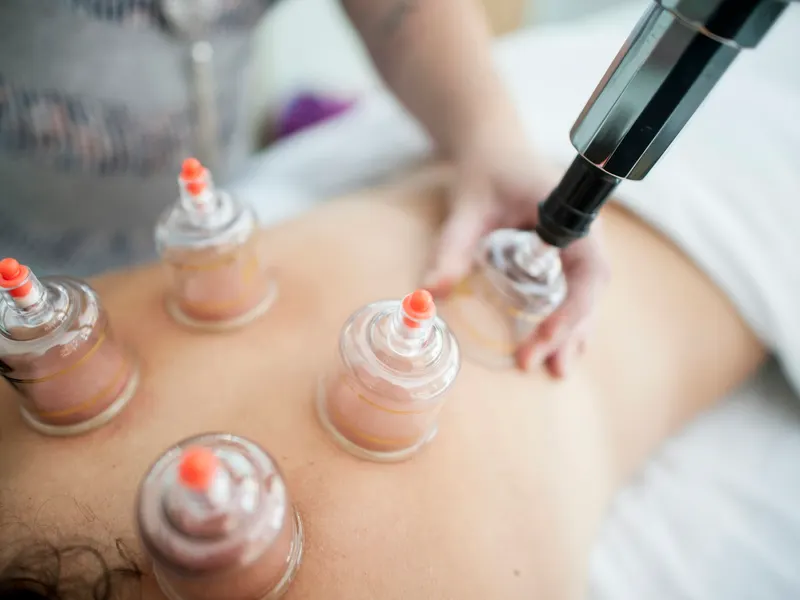
Dry Needling
Dry needling as part of an individualised physiotherapy treatment programme, particularly for muscular tension, trigger points and pain management.
See treatment & book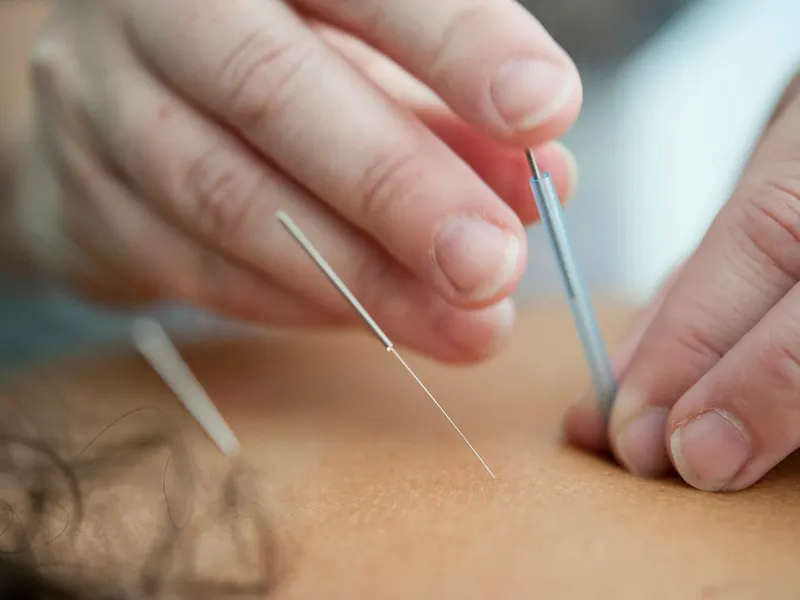
Pain & Muscle Tension Management
Physiotherapy focused on reducing muscular pain and tension, improving mobility and helping patients return to their daily activities and physical exercise.
See treatment & book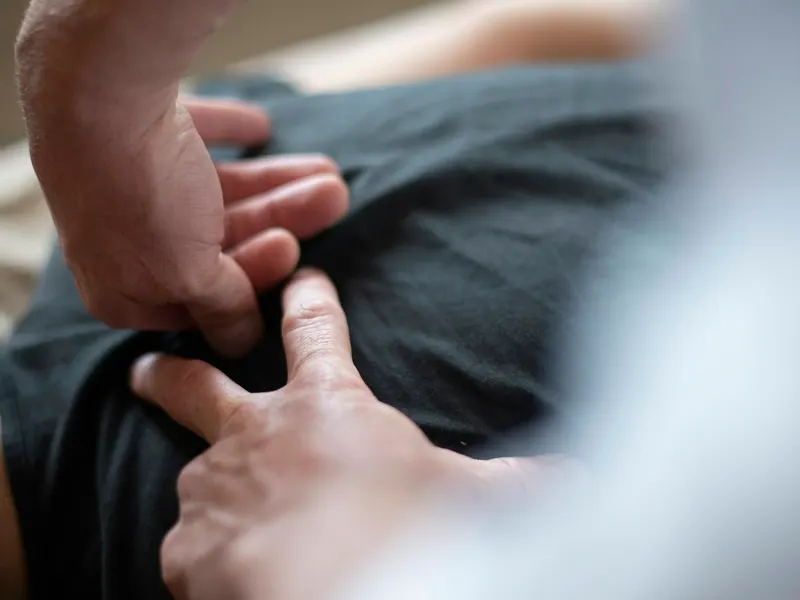
Ready to ease that tightness?
Send us a request in under a minute and we'll contact you to confirm a time.
Book this treatmentSend us a request and we'll call or email you to confirm a time