Dry Needling in Dublin 2
Dry needling as part of an individual physiotherapy plan, for muscle tension, trigger points and pain, at our clinic on Baggot Street.
What is dry needling?
Dry needling is a technique in which a physiotherapist inserts very fine, single-use needles into specific points in a muscle — often tight, tender areas known as trigger points. It is called “dry” because nothing is injected: the needle itself is the treatment.
The aim is to help a tight muscle relax, reduce local tension and make it easier to move and exercise. Research suggests it can help reduce pain in the short term for some people, particularly when it is combined with exercise and other hands-on treatment rather than used on its own.
At Vitalis, dry needling is one tool within a wider physiotherapy plan. It is never the only thing we do, and we only use it when your assessment shows it is a sensible option for you.
Who it can help
Our physiotherapist may suggest dry needling as part of your treatment if you have:
- Muscle tension and tight spots in the neck, shoulders or upper back — see our page on neck pain
- Low back or hip muscle pain — see back pain physiotherapy
- Tension linked to long hours at a desk, stress or poor sleep
- Muscle overload from training or sport — see sports injury physio
- Ongoing muscle pain that has not settled with rest alone
What happens in a session
If you are new to the clinic, your first visit starts with a full assessment: your history, how you move and where the pain comes from. Your physiotherapist will explain whether dry needling suits you, and you decide whether to go ahead.
During needling you may feel a brief twitch or a dull ache in the muscle; most people find it very tolerable. It is usually followed by other techniques such as manual therapy or exercises. Some people feel a little sore for a day or so afterwards, similar to after a workout.
Dry needling is not suitable for everyone. We always check your health history first — for example, pregnancy, blood-thinning medication, bleeding disorders or a strong fear of needles can mean another approach is better. Sessions are in English or Portuguese.
What it costs
If you have not been to us before, start with an initial assessment so we can check that dry needling is right for you. Within a physiotherapy session, dry needling costs nothing extra.
| Session | Duration | Price |
|---|---|---|
| Dry needling session | — | €60 |
| Initial physiotherapy assessment & treatment | 45–60 min | €80 |
| Physiotherapy follow-up | 30–45 min | €70 |
Common questions
Does dry needling hurt?
The needles are very fine, so most people feel only a small prick when they go in. When a tight muscle responds you may feel a brief twitch or ache. Your physiotherapist checks in with you throughout and can stop at any time.
Is dry needling the same as acupuncture?
They use similar needles but are different approaches. Dry needling is based on anatomy and a physiotherapy assessment of your muscles and movement, and it is used as part of a physiotherapy treatment plan.
How many sessions will I need?
It depends on your situation, so we won’t promise a number. After your assessment your physiotherapist will suggest a plan and review it with you as you go.
Do I need a referral?
No. You can book directly with us. If your GP or consultant has given you a letter, bring it along.
How to get here
28 Baggot Street Lower, Dublin 2, D02 NX43
We are on Baggot Street Lower in Dublin 2, a short walk from St Stephen’s Green and Merrion Square. Look for the Vitalis sign when you arrive.
The Luas Green Line stop at St Stephen’s Green is about a 10-minute walk away, and Pearse DART station about 15 minutes. If you drive, there is pay-and-display parking on the surrounding streets, though spaces can be limited.
Related treatments
Pain & Muscle Tension Management
Physiotherapy focused on reducing muscular pain and tension, improving mobility and helping patients return to their daily activities and physical exercise.
See treatment & book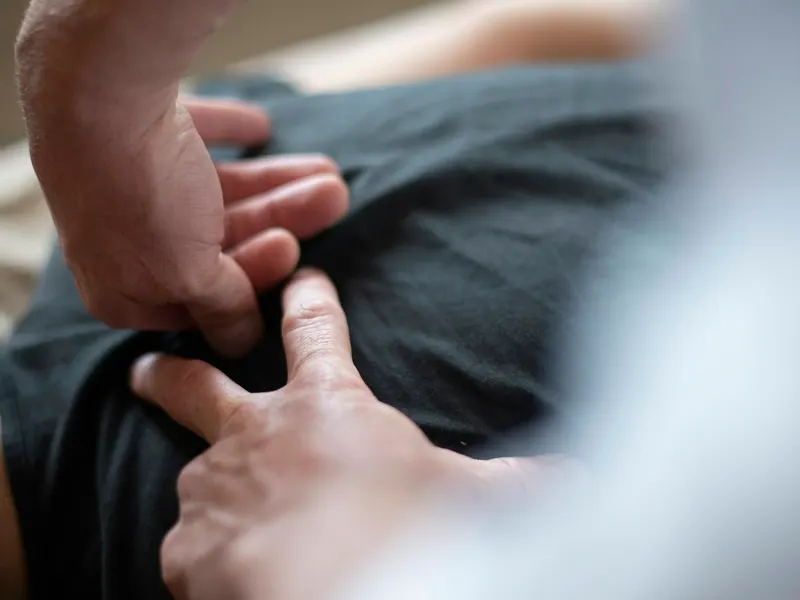
Cupping Therapy
Cupping techniques used as an adjunct to physiotherapy treatment to support soft-tissue relaxation, mobility and management of muscular tension.
See treatment & book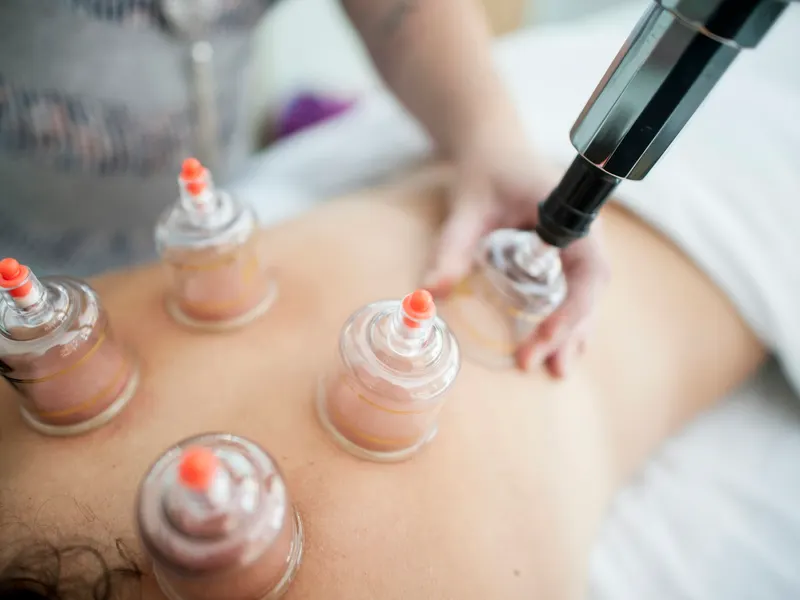
Myofascial Release
Manual and instrumental techniques to address muscular and fascial tension, improve tissue mobility and reduce discomfort.
See treatment & book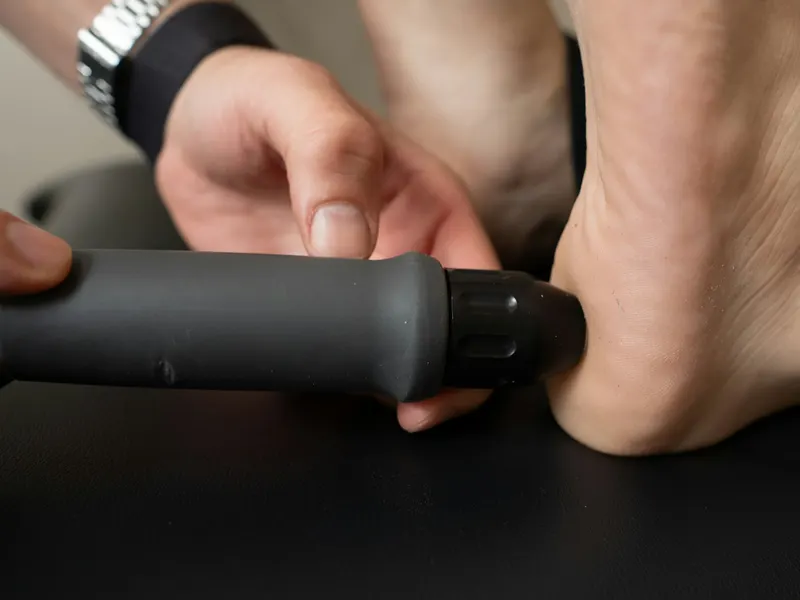
Sports & Exercise Rehabilitation
Individualised physiotherapy for physically active patients, with a focus on muscle recovery, mobility, strength, movement quality and a safe return to exercise and sport.
See treatment & book
Want to know if dry needling suits you?
Send us a request in under a minute and we'll contact you to confirm a time.
Book this treatmentSend us a request and we'll call or email you to confirm a time