Manual Therapy in Dublin 2
Hands-on physiotherapy techniques to improve soft-tissue mobility, reduce muscle tension and support pain management and better movement.
What is manual therapy?
Manual therapy is the hands-on part of physiotherapy. Your physiotherapist uses her hands to work on muscles, soft tissues and joints — with techniques such as soft-tissue work, stretching and gentle joint mobilisation — to reduce tension and help you move more easily.
It is not a stand-alone fix. Research shows hands-on treatment works best when combined with exercise and advice, so manual therapy at Vitalis is always part of a plan that also gives you things to do yourself.
When it can help
Manual therapy is often part of the treatment for:
- Neck pain and stiffness
- Back pain, including after lifting or long periods sitting
- Shoulder and hip stiffness
- Muscle pain and tension linked to work, stress or training
- Getting moving again after an injury, alongside exercise rehabilitation
What a session looks like
Your first visit starts with an assessment so your physiotherapist understands your history and how you move. She explains what she plans to do and why, and always asks for your consent before hands-on treatment.
Techniques should feel manageable — you can ask her to change the pressure or stop at any time. Most sessions finish with exercises or advice to keep the benefit going. Wear comfortable clothing that lets us reach the area being treated. Sessions are in English or Portuguese.
What it costs
Manual therapy is part of our standard physiotherapy sessions.
| Session | Duration | Price |
|---|---|---|
| Initial physiotherapy assessment & treatment | 45–60 min | €80 |
| Physiotherapy follow-up | 30–45 min | €70 |
| Extended physiotherapy follow-up | — | €80 |
Common questions
Is manual therapy the same as massage?
There is some overlap, but manual therapy is guided by a physiotherapy assessment and is combined with exercise and advice as part of a treatment plan.
Does it hurt?
It shouldn’t be more than you can manage. Some techniques can feel a bit uncomfortable, and you may feel slightly sore the next day; tell your physiotherapist if anything feels too much.
Will I get exercises too?
Yes. In most cases you leave with exercises or advice so you can keep improving between sessions.
Do I need a referral?
No. You can book directly with us.
How to get here
28 Baggot Street Lower, Dublin 2, D02 NX43
We are on Baggot Street Lower in Dublin 2, a short walk from St Stephen’s Green and Merrion Square. Look for the Vitalis sign when you arrive.
The Luas Green Line stop at St Stephen’s Green is about a 10-minute walk away, and Pearse DART station about 15 minutes. If you drive, there is pay-and-display parking on the surrounding streets, though spaces can be limited.
Related treatments
Myofascial Release
Manual and instrumental techniques to address muscular and fascial tension, improve tissue mobility and reduce discomfort.
See treatment & book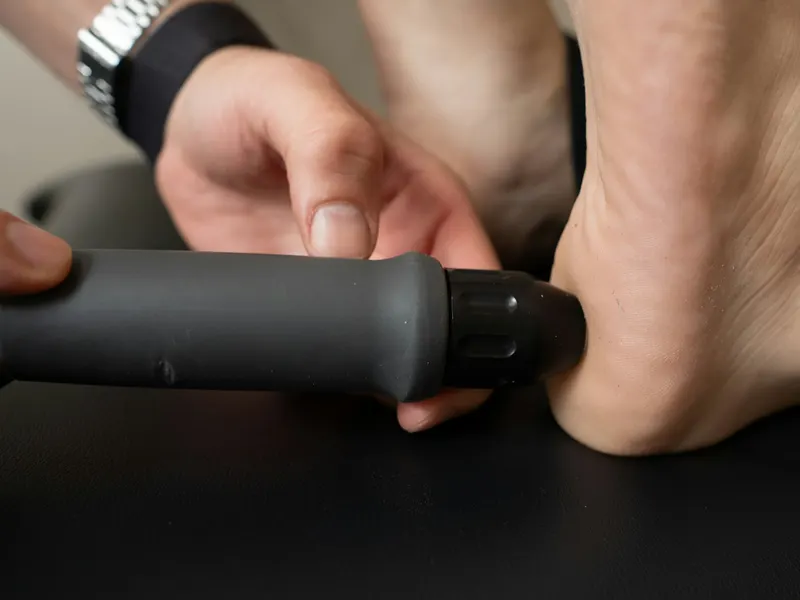
Neck Pain & Stiff Neck
Physiotherapy for neck pain, stiffness and wry neck, combining hands-on treatment with simple exercises to help you turn your head comfortably again.
See treatment & book
Back Pain
Physiotherapy for low and upper back pain, combining hands-on treatment with a progressive exercise plan to help you move with confidence again.
See treatment & book
Pain & Muscle Tension Management
Physiotherapy focused on reducing muscular pain and tension, improving mobility and helping patients return to their daily activities and physical exercise.
See treatment & book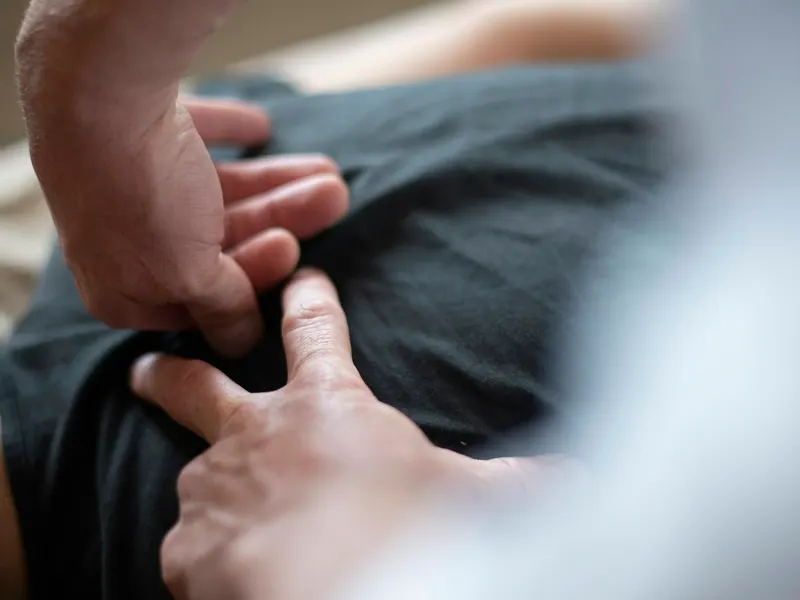
Ready to move more freely?
Send us a request in under a minute and we'll contact you to confirm a time.
Book this treatmentSend us a request and we'll call or email you to confirm a time